In Hong Kong, it is estimated that 1 in 7 people will experience a common mental disorder at any given time. Yet, mental health remains widely misunderstood. Research shows that three‑quarters of those affected do not seek professional help, often due to persistent myths and misconceptions about psychiatric medication and mental illness. Addressing these myths is essential to encourage timely ...
Panic disorder is a type of anxiety condition characterized by sudden episodes of intense fear and physical discomfort. During an attack, patients may experience palpitations, chest pain, rapid breathing, sweating, trembling, dizziness, and overwhelming fears of death or losing control. Each episode typically peaks within minutes and subsides quickly, yet the lingering worry of recurrence often restricts daily life. Importantly, ...
At six years old, little Chun had long struggled with limited social skills. His interactions with peers were often inappropriate, marked by impulsive outbursts and restlessness. Upon entering primary school, his behavioral difficulties intensified: he frequently disrupted lessons, hid under desks screaming, and frightened classmates who eventually withdrew from him, leaving him isolated ...
Clinical interviews are the cornerstone of diagnosing Autistic Spectrum Disorder (ASD) and Attention‑Deficit/Hyperactivity Disorder (ADHD). Psychiatrists typically conduct in‑depth conversations with parents to gather detailed information about a child’s developmental history, behavioral patterns, and emotional responses. During the consultation, clinicians carefully observe the child’s interaction style, while also evaluating for potential co‑existing conditions such as anxiety or depression.” ...
When a child is living with both Autistic Spectrum Disorder (ASD) and Attention‑Deficit/Hyperactivity Disorder (ADHD), parenting requires extra patience and understanding.Scolding or trying to stop behaviors by force may bring short‑term results, but it can damage trust between parent and child and make future interactions more difficult. Instead, parents are encouraged to first calm themselves, then use a gentle tone ...
Autistic Spectrum Disorder (ASD) and Attention‑Deficit/Hyperactivity Disorder (ADHD) are two distinct neurodevelopmental conditions. When they occur together—a situation known as comorbidity—children often face more complex challenges in learning, behavior, and emotional regulation. They may also be more vulnerable to peer rejection, social difficulties, and heightened anxiety ...
At just seventeen, Rachel had always been a high‑achieving student, setting exceptionally high standards for herself. Yet, in the six months before her public examinations, she became increasingly overwhelmed by the fear of not reaching her goals. Gradually, her emotional wellbeing declined. As the academic pressure intensified, she began to experience insomnia, loss of appetite, and a significant drop in ...
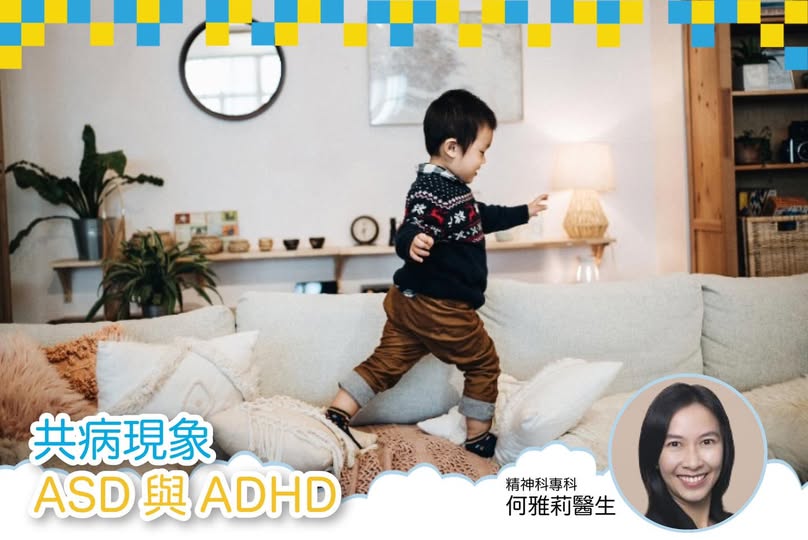
Autistic Spectrum Disorder (ASD) and Attention‑Deficit/Hyperactivity Disorder (ADHD) are distinct neurodevelopmental conditions. Yet, research shows that 50–70% of children with ASD also present with ADHD symptoms, a phenomenon known as comorbidity. While the exact mechanisms behind this overlap are not fully understood, it is widely believed to be related to differences in brain structure and imbalances in neurotransmitters ...
Families can serve as our greatest source of strength and protection—or, conversely, as an unending nightmare. Research indicates that turbulent family dynamics heighten stress, trigger physical ailments, and worsen mental health, while supportive, harmonious relationships enhance recovery for those facing psychological challenges ...
During the pandemic, many working women found their “battlefield” shifting from the office to the home. Within the same space, they were expected to manage professional duties while also carrying household responsibilities. Spending extended time with family without personal space led to rising stress levels, sometimes triggering emotional imbalance or even risk of depression ...
At school, little Chuk often struggled to concentrate and was easily distracted. Outdoors, he would ignore instructions and run around freely. His family thought he was simply being naughty and scolded him repeatedly. It was only after a social worker suggested medical consultation that he was diagnosed with Attention‑Deficit/Hyperactivity Disorder (ADHD). With treatment, his behavior and learning improved significantly—he began ...
For children living with Attention‑Deficit/Hyperactivity Disorder (ADHD), learning at home can sometimes feel overwhelming. With the right support, however, progress and confidence are possible. Research and clinical experience show that a combination of medication and behavioral therapy can significantly improve focus, reduce impulsivity, and create a more positive learning environment ...




與專注力不足過度活躍症(ADHD)-1024x685.jpg)